
The category, in one paragraph
An exotic is any bet that is not a straight moneyline, spread, or total on a single game. The label is informal but useful: it groups together the markets where the book is taking the most pricing risk and charging the widest margins to cover it. Player props, team props, futures, alternate lines, same-game parlays, and novelty markets all sit under the exotic umbrella. They are the fastest-growing category in legal US sportsbooks — by 2024, props and SGPs accounted for roughly 40% of operator hold across DraftKings and FanDuel, up from under 10% in 2019.
For the recreational bettor, exotics are entertainment-priced markets where the cost of a ticket is built into the dream of the outcome. For the sharp, exotics are the corners of the book where market efficiency has not yet caught up to the depth of the modelling, and where a careful approach can find 3-8% edges that no longer exist on main lines.
The major exotic categories
The taxonomy of exotic markets matters because each category has a different margin structure, a different sharp-vs-recreational mix, and a different limit profile at retail books. Understanding which bucket a bet falls into is the first step toward pricing it correctly.
| Exotic type | Typical margin (vig / hold) | Liquidity | Sharp opportunity? |
|---|---|---|---|
| Player props (major sport, major star) | 7-10% | High | Yes — most-modelled exotics |
| Player props (role player, backup) | 10-15% | Low | Sometimes — soft prices, hard limits |
| Team props (first score, halftime) | 8-12% | Medium | Limited — small market depth |
| Futures (champion, MVP, win totals) | 15-25% | Medium-Low | Rare — multi-month variance |
| Long-tail futures (PGA outright, NCAA) | 30-50% | Low | Mostly trap; field too wide |
| Alternate lines (alt spread, alt total) | 8-15% | Medium | Yes — when main line is sharp |
| Same-game parlay (2-leg) | 15-20% effective | High (retail) | Rarely — correlation premium |
| Same-game parlay (4+ leg) | 22-30% effective | High (retail) | Almost never — trap product |
| Novelty / specials (anthem, coin toss) | 15-30% | Low | Entertainment only |
The pattern is consistent: liquidity and modelling depth correlate inversely with margin. Player props on major stars (LeBron points, Patrick Mahomes passing yards) are priced sharper because the books and the syndicates pour the most resources into them; novelty markets on the Super Bowl national-anthem length are priced at carnival margins because nobody is bothering to arb them.
Player props — the new sharp battleground
Player props are over/under markets on individual-player statistics: passing yards, rushing yards, receiving yards, points, rebounds, assists, shots on goal, strikeouts. They became the dominant exotic in the US market between 2020 and 2024 because they are easy to understand, easy to advertise (every game has 20-50 props per side), and structurally well-suited to mobile betting. By 2024, props accounted for roughly 25-30% of US sportsbook handle in the NFL and over 40% in the NBA.
The sharp opportunity in props is meaningful. Books price props using internal models that are often weeks behind the syndicate-published research on each player. A sharp prop bettor running a positional-projection model (snap counts, target share, pace-of-play, opposing defense) can identify 30-50 mispriced props per NFL Sunday at a hit rate around 56-58% — comfortably above the 52.4% break-even at -110. The book's response is account limiting: a successful prop bettor is typically flagged within 4-12 weeks and cut from $1,000 max wagers down to $50-100 max, after which the edge becomes uneconomical to exploit.
Team props and game-state markets
Team props are bets on team-level events that are not the final score: first team to score, first-half leader, race-to-15-points, total team rebounds. They are lower-liquidity than player props and harder to model because most of them are heavily path-dependent on game state. A first-to-score market depends on the opening kickoff, possession outcome, and red-zone efficiency — a deeply game-script-dependent question that a static pre-game model handles poorly.
The sharp niche in team props is correlation-aware bets: backing an underdog team to score first in a game where the book has priced first-score as a flat function of moneyline, ignoring receiving-team and offensive-tempo factors. These edges are real but small (typically 1-3% per bet) and limits are tight.
Futures — the long-tail trap
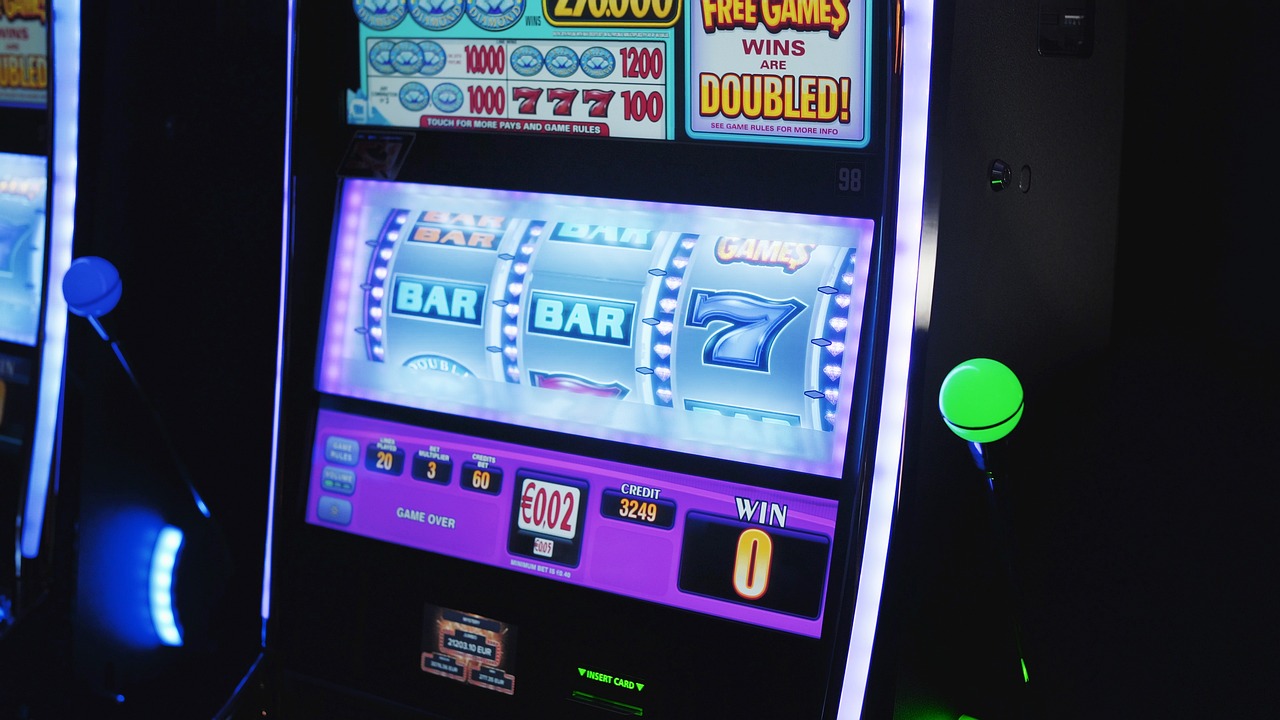
Futures are season-long markets: championship winner, division winner, MVP, regular-season win totals, Heisman, Stanley Cup, Premier League title. They look like the most attractive bet on the board — small stake, large payoff, months of action — and they are structurally the worst trade for most retail bettors. The reason is overround: a 32-team NFL futures market summed across all 32 prices typically implies a 130-145% probability total, meaning the embedded margin is 30-45%. A PGA outright market with 150+ runners can imply 200-250% probability, a 100-150% margin.
The bettor is paying that margin on a bet that ties up bankroll for 4-9 months with no liquidity to exit. Sharp futures bettors exist — they exploit specific mispriced longshots in markets where they have an informational edge (a coach's contract status, an injury that has not been reported, a team's preseason camp performance) — but the recreational bettor is paying 30-40% above true price on every futures ticket. Win totals are the partial exception, with margins typically 8-12% because the market is two-way (over/under on team win count) rather than long-tail.
Alternate lines — when to walk off the main number
Alternate lines (or 'alts') are spreads and totals shifted off the main posted line, with the price adjusted to reflect the new probability. A main line of -3 (-110) might have alts at -1 (-160), -5 (+125), -7.5 (+220), -10 (+350), and -14 (+700). Alts are how a bettor expresses a margin view — not just 'the favorite wins,' but 'the favorite wins by exactly this much or more.'
The pricing math on alts is straightforward in principle: take the implied probability of each margin from the team-strength model, layer the book's margin on top, and convert to American odds. In practice, books often misprice alts because the margin distribution is more peaked than a normal distribution (especially in the NFL, where key numbers cluster). A sharp who knows the margin distribution can find alts that pay +250 on a true +200 outcome — a 50-cent edge per ticket, far larger than anything available on the main line. The catch is the same as with props: limits tighten quickly on bettors who consistently beat alt prices.
Same-game parlays — the highest-margin product on the app
Same-game parlays (SGPs) are the most profitable product for US sportsbooks. They allow a bettor to combine multiple bets from the same game (Mahomes over 300 passing yards + Travis Kelce anytime touchdown + game total over 51.5) into a single ticket with a combined price. The product launched aggressively in 2020 and now accounts for an estimated 20-30% of US retail mobile sportsbook revenue, despite representing under 10% of handle.
The reason: compounded correlation pricing. The book's SGP engine takes each leg's standalone price, adjusts for the correlation between legs (a QB over passing yards is positively correlated with his WR over receiving yards, so the combined price must be reduced from the naive parlay multiplication), and then layers an additional margin on top of the correlation adjustment. The cumulative effect is an effective margin of 17-30% per SGP ticket — three to six times the margin on a straight bet. A 3-leg SGP advertised at +600 typically has a true probability around 12-15%, implying a fair price closer to +600 to +750 depending on correlations. The book is charging the bettor 25-40% extra for the convenience of a single ticket.
The product is a trap by design. SGP graphics are heavily promoted in-app, the suggested combinations are pre-built to maximise margin, and the payouts are headline-friendly because they almost never hit. The single most reliable way to reduce sportsbook losses across a season is to stop placing SGPs.
Novelty and award markets
Novelty markets are the Super Bowl coin toss, the colour of the Gatorade bath, the length of the national anthem, the Oscar Best Picture winner, presidential election props in regulated markets. They are the highest-margin exotics on the board — typically 15-30% per market — and they exist primarily as entertainment products. The book is selling the experience of having action on a non-sporting outcome; the margin is the price of the entertainment.
One narrow exception: regulated political and event prediction markets (Kalshi, PredictIt, Polymarket) operate as low-margin event exchanges where the price reflects participant consensus rather than a bookmaker's set margin. Those markets are not technically 'exotics' in the sportsbook sense, but they are increasingly where sharp event-betting capital flows because the margins are 1-3% instead of 15-30%. Recreational sportsbook novelty markets remain pure entertainment.
The retail trap vs. the sharp opportunity

The honest framing of exotics is that they are two markets in one. For the recreational bettor placing a $5 SGP on a Sunday afternoon, the exotic is functionally a lottery ticket priced at an entertainment margin of 20-30%. The bettor is paying for the experience, the bettor knows (or should know) that the expected return is negative, and the cost is small enough to absorb. That is a legitimate use of the product, no different from buying a movie ticket.
For the sharp, exotics are the markets where modelling effort pays the largest dividends because the books have not yet caught up to the depth of statistical research available on individual player and team-prop outcomes. The sharp exotic bettor faces three structural problems: limits (the book cuts you off when you win), variance (player-prop bets are higher-variance than team bets), and bankroll deployment (you cannot push large sums into a $500-max prop market). Sharps who solve those problems have built sustainable edges in the 4-8% range — the highest realistic edge available in the modern legal US sportsbook.
Practical checklist for exotic bettors
- Know which exotic category you are in. The margin difference between a major-star player prop (8%) and an SGP (25%) is the difference between a sharp bet and a sucker bet.
- Line-shop props ruthlessly. Different books have different models, and 5-10 cent gaps on the same prop are routine.
- Avoid 4+-leg same-game parlays unless you are placing a small entertainment bet. The cumulative correlation margin is the worst trade on the app.
- Treat futures as illiquid capital. The 15-40% embedded margin is the price you pay for a long-tail dream.
- Expect limits if you win consistently on props or alts. Build a multi-book account profile early so you have outlets when one book cuts you.
- Track exotic results separately from main-line bets. The variance profile is different and mixing them in a single bankroll metric distorts your view of edge.
Sources & further reading
- Štrumbelj, Erik. "On determining probability forecasts from betting odds." International Journal of Forecasting, 2014 — methodology for stripping margin from multi-way exotic markets.
- Levitt, Steven D. "Why are gambling markets organised so differently from financial markets?" Economic Journal, 2004 — pricing of low-liquidity exotic markets vs. liquid main lines.
- Paul, Rodney J. & Weinbach, Andrew P. "Sportsbook pricing and market efficiency in NFL betting markets." Journal of Sports Economics, 2008 — recreational vs. sharp behaviour on prop and alt markets.
- American Gaming Association — "State of the States 2024" report, including breakdown of operator hold by product category (spread, total, ML, prop, parlay).
- Pinnacle Betting Resources — public documentation on prop pricing, alternate line construction, and same-game-parlay correlation adjustments.